The Unimaginable Horror: Judy Malinowski's Fight for Justice
The name Judy Malinowski echoes through the annals of justice, not just as a victim of unimaginable brutality, but as a beacon of resilience whose tragic story forced a spotlight onto the gaping holes in domestic abuse protection. The harrowing documentary, The Fire That Took Her: Judy Malinowski's Landmark Fight for Justice, meticulously directed by Patricia Gillespie, lays bare the horrific ordeal Judy endured and the systemic failures that enabled her abuser, Michael Slager, to commit an act of unspeakable violence.
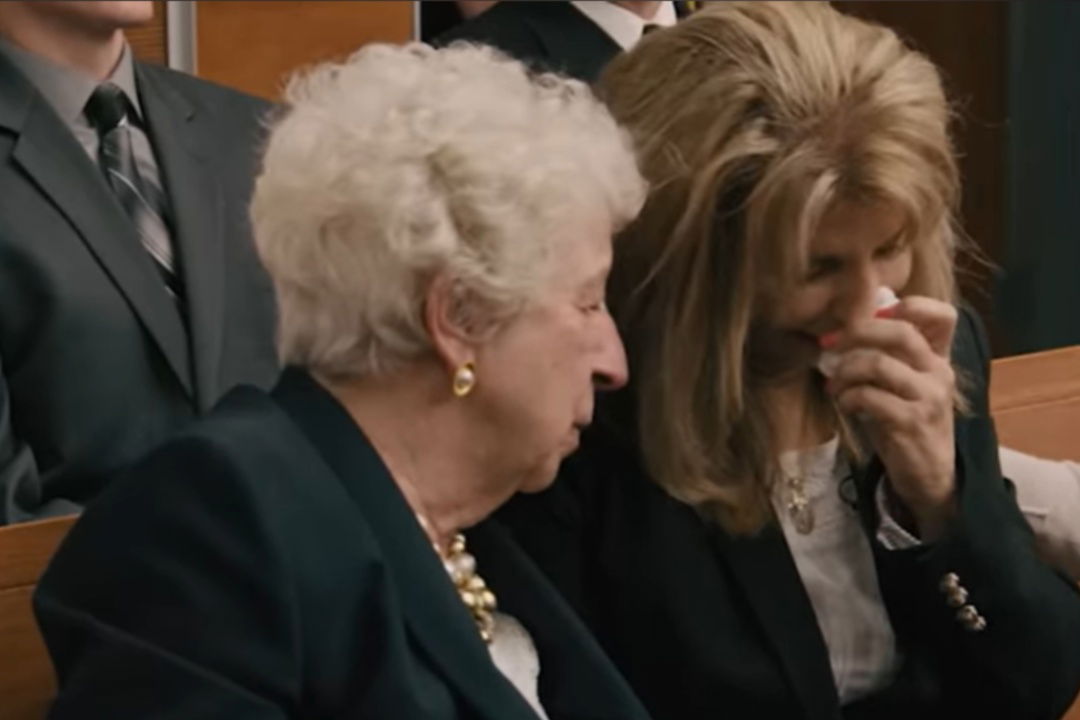
In 2015, in a horrifying act that shocked the nation, Judy Malinowski, an Ohio mother-of-two, was doused in gasoline and set ablaze by her ex-boyfriend. The attack left her with burns over 95% of her body, a living testament to the destructive power of domestic violence. Her sister, Danielle Gorman, upon seeing Judy in the immediate aftermath, was overcome with visceral nausea, a common reaction to the indescribable trauma Judy had suffered. Yet, amidst this profound suffering, Judy found an unprecedented strength. For two agonizing years, she clung to life, undergoing countless surgeries and battling immense pain. Her determination culminated in a landmark legal first: Judy Malinowski became the first person in Ohio to testify at her own murder trial, a testament to her unyielding will to seek justice, even from her deathbed. The Fire That Took Her captures this incredible fight, weaving together interviews with her grieving family—her mother Bonnie Bowes, her daughters Maddie and Kaylyn, and her siblings—alongside the accounts of police and legal professionals involved in her case. The film is more than a recounting of a crime; it's a vital examination of how the system failed to protect Judy, echoing the stories of countless others.
A Pattern of Predation: Unmasking Michael Slager
To understand the systemic failures, one must first confront the predator at its heart: Michael Slager. As The Fire That Took Her powerfully illustrates, Slager was not merely an abusive ex-boyfriend; he was a calculated, repeat offender with a chillingly extensive criminal record. His history included approximately 38 convictions, ranging from receiving stolen property and burglary to domestic abuse and even a rape charge that was plea-bargained down. This alarming pattern of behavior, which Patricia Gillespie notes clearly shows Slager "ramping up to commit a crime like this," went largely unchecked.
Slager's modus operandi was insidious. He specifically targeted vulnerable women, often those struggling with addiction, like Judy. After meeting online, Slager swiftly moved to exploit Judy's battle with pain pill dependency, which stemmed from surgery for ovarian cancer. He became her "supplier," a manipulative tactic that solidified his control, making her utterly dependent on him. Her mother, Bonnie, harbored deep suspicions from the outset, warning her daughter against Slager, particularly concerning his presence around her grandchildren. Bonnie's instincts were tragically correct. Slager not only supplied Judy with drugs, eventually escalating to heroin, but he also manipulated Bonnie herself, extracting money under the false pretense of caring for Judy. This master manipulation highlights the sophisticated tactics abusers employ, often isolating victims from their support networks and exploiting their weaknesses. For a deeper look into the abuser's psyche and methods, explore Unmasking Michael Slager: The Predator Behind The Fire That Took Her.
Cracks in the System: Why Judy Couldn't Be Saved
The most damning indictment presented by The Fire That Took Her isn't just Slager's brutality, but the collective failure of the systems designed to protect individuals like Judy. As director Patricia Gillespie articulated, "The police, try as they might, didn’t have the systems in place to protect her or the laws in place to prosecute repeat domestic violence offenders like Michael Slager." Judy's case exposes critical vulnerabilities at multiple levels:
- Lack of Early Intervention: Slager's extensive criminal history should have triggered more aggressive intervention. A staggering 38 convictions point to a pattern of escalating violence and disregard for the law, yet he remained "pretty much uninterrupted" until it was too late. This raises serious questions about risk assessment and offender management within the justice system.
- Challenges in Reporting & Believing Victims: Near the end of their relationship, Judy desperately tried to escape Slager, even reporting his death threats to the police. However, her pleas were dismissed. Slager successfully undermined her credibility by painting her as a "drug-addicted liar," a common tactic used by abusers to discredit victims, especially those with pre-existing vulnerabilities. This highlights the urgent need for better training for law enforcement to recognize and overcome biases against victims struggling with addiction or mental health issues.
- Inadequate Legal Frameworks: The film underscores that existing laws were insufficient to effectively prosecute and deter repeat domestic violence offenders like Slager. Many jurisdictions struggle with consistent definitions of domestic violence, limitations on evidence, and insufficient penalties that truly reflect the gravity of ongoing abuse.
- Resource Deficiencies: Police departments, often under-resourced and overwhelmed, may lack the specialized training, personnel, and time required to thoroughly investigate complex domestic violence cases, particularly when victims may be reluctant or unable to fully cooperate due to fear or manipulation.
Judy Malinowski's story is a stark reminder that while individual officers may strive to help, without robust systemic support, comprehensive legal frameworks, and a victim-centered approach, the cycle of violence often continues unchecked. Her unprecedented testimony, however, led to "Judy's Law" in Ohio, a legislative effort to impose harsher sentences for domestic violence crimes involving serious physical harm, marking a small but significant step towards addressing these systemic failures.
Beyond the Screen: Actionable Steps to Combat Domestic Abuse
The Fire That Took Her serves not just as a historical account but as a powerful call to action. Preventing similar tragedies requires a multi-pronged approach involving individuals, communities, and legislative bodies. Here are actionable steps and insights:
Recognizing Warning Signs and Supporting Victims:
- Educate Yourself: Learn the subtle and overt signs of domestic abuse, which often begin with control and isolation before escalating to physical violence. These include extreme jealousy, controlling finances, monitoring communication, blaming the victim for problems, and making threats.
- Believe and Validate: If someone confides in you about abuse, believe them. Validation is crucial for victims who are often gaslighted by their abusers. Avoid judgment and offer non-directive support.
- Offer Practical Help: Connect victims with resources like hotlines (e.g., National Domestic Violence Hotline: 1-800-799-SAFE (7233)), shelters, and legal aid. Help them create a safety plan, which might include identifying safe places, packing an emergency bag, and securing important documents.
- Address Intersecting Vulnerabilities: Recognize that issues like addiction, as in Judy's case, or mental health struggles can make individuals more vulnerable to abuse and harder to help. Specialized support that addresses both the addiction/mental health and the abuse is vital.
Advocating for Systemic Change:
- Strengthen Legislation: Support laws like "Judy's Law" that impose harsher penalties for repeat domestic violence offenders and crimes involving severe injury. Advocate for consistent legal definitions of abuse across jurisdictions.
- Improve Law Enforcement Training: Push for mandatory, ongoing training for police officers on trauma-informed responses, understanding the dynamics of domestic abuse, identifying manipulation tactics, and overcoming biases against vulnerable victims.
- Enhance Victim Support Services: Advocate for increased funding for shelters, counseling services, legal assistance, and long-term recovery programs for survivors of domestic violence. Ensure these services are accessible to all, regardless of socio-economic status or other vulnerabilities.
- Promote Public Awareness: Support campaigns that destigmatize domestic abuse and encourage open dialogue, reinforcing that abuse is never the victim's fault.
Every individual has a role to play in dismantling the culture of silence and systemic inadequacies that allow abusers to thrive. By understanding the profound lessons from The Fire That Took Her, we can move towards a future where justice is not a rarity, but a fundamental right for every victim.
Conclusion
Judy Malinowski's story, immortalized in The Fire That Took Her, is a searing indictment of systemic failures in protecting victims of domestic abuse. It spotlights the cunning tactics of predators like Michael Slager and the devastating consequences when repeated warning signs are missed or dismissed. Judy's unparalleled courage in testifying against her attacker from her deathbed ignited a crucial conversation and spurred legislative change. However, the fight is far from over. By actively recognizing the signs of abuse, supporting victims with empathy and resources, and advocating for robust legal and systemic reforms, we can honor Judy's legacy and work towards a society where no one else has to endure the hell that The Fire That Took Her so vividly depicts. Her sacrifice must serve as a perpetual reminder that vigilance, compassion, and systemic accountability are our strongest defenses against the insidious spread of domestic violence.